
How to Spot a Vitamin C Serum That Won’t Oxidize
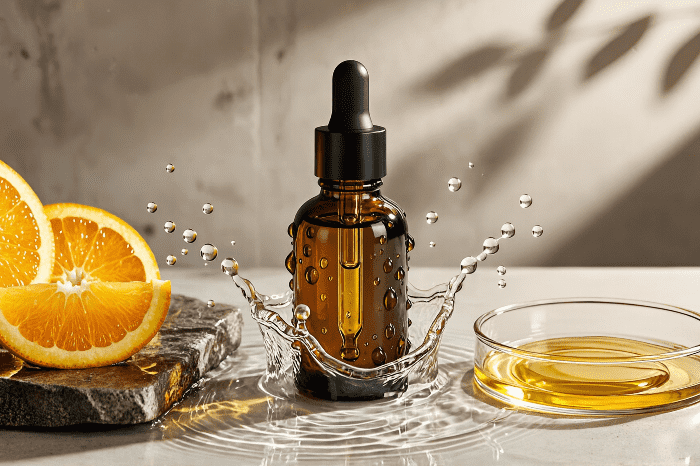
If your vitamin C serum is starting to look more like amber maple syrup than a clear skin treatment, it isn’t just changing colors—it is dying. Vitamin C is the ultimate holy grail for skin brightening, but it is also notoriously moody, breaking down the exact moment it meets air, light, or heat.
Ever bought a pricey skin serum, popped the cap open, and found a dark orange liquid that smells like hot dog water? It is incredibly frustrating. We've been there—paying top dollar for bright, glowing skin, only to end up with a bottle of rusty fluid.
Active vitamin C is notoriously moody. It hates air, loathes light, and throws a fit if it gets too warm. Yet beauty brands make massive claims promising a "stable vitamin C serum" that lasts forever.
How do you separate real science from marketing fluff? Let's break down the actual chemistry of skincare formulation. To show you how this formulation works in the real world, we will look at how two premium formulas—the Elixir Ani-Age Eclat (Anti-Aging Radiance Elixir) and the Elixir De Perles (Pearl Elixir) Enhancing Treatment by Anita & Zaha—solve the oxidation problem using natural chemistry.
Why Pure Vitamin C Breaks Down So Fast?
 |
To understand why your serum spoils, you have to look at how L-ascorbic acid (pure vitamin C) operates on a molecular level.
Think of pure vitamin C as a total hero for your skin. Research published in the Journal of Clinical and Aesthetic Dermatology highlights that topical L-ascorbic acid routinely donates electrons to neutralize the harmful free radicals caused by UV radiation and pollution. In doing so, it steps in as a shield to protect your skin's collagen fibers from premature aging. Combining stable antioxidants with the best skin care products for youthful glow ensures your skin barrier stays firm and radiant over time.
Here is the catch: it gives up those electrons far too easily. Oxygen, light, and heat trigger rapid chemical degradation.
Air Exposure: The moment you twist open a standard dropper bottle, oxygen rushes inside. This exposure oxidizes the active L-ascorbic acid, quickly turning it into a useless, degraded compound.
Light Stress: Data from the International Journal of Pharmaceutics confirms that light acts as a direct catalyst for photolytic degradation. Essentially, sunlight acts like a fast-forward button for damage, destroying active molecules in just a few hours if kept in clear glass containers.
Heat Acceleration: Warm environments accelerate chemical reactions. Storing your active skincare products in a hot, humid bathroom is a surefire way to drastically shorten their shelf life.
Once a serum turns a dark orange or amber hue, the antioxidant benefits are totally gone. Knowing how to tell if a vitamin C serum is oxidized will save your skin; applying degraded fluid can cause mild skin irritation and even leave behind temporary orange stains.
4 Ingredient Rules for Buying a Stable Vitamin C Serum
Formulators cannot rewrite the laws of chemistry, but they can build a protective environment around the ingredient. Look for these four science-backed markers on ingredient lists to find the best vitamin C serum for your face:
1. A Low pH Level
L-ascorbic acid requires a highly acidic environment to remain stable in water-based formulas. You want to look for a pH level below 3.5. Landmark research by Dr. Sheldon Pinnell published in Dermatologic Surgery demonstrates that if the pH creeps any higher, the fluid begins to break down almost the moment air hits it.
2. The Golden Trio (CEF)
Always check the label for a combination of vitamin C, vitamin E, and ferulic acid. In a highly cited clinical study published in the Journal of Investigative Dermatology, researchers proved that blending 15% L-ascorbic acid with 1% alpha-tocopherol (vitamin E) and 0.5% ferulic acid drastically multiplies both chemical stability and skin protection. Ferulic acid acts like a literal bodyguard—it resets the vitamin C molecules before they break down permanently.
3. Metal Chelators
Tiny trace metals like iron and copper can accidentally enter skincare batches during manufacturing. Studies in the International Journal of Cosmetic Science confirm that these microscopic metals trigger a rapid chain reaction that spoils the liquid. Look for binders like disodium EDTA or natural stabilizers to halt this reaction before it starts.
4. Smart Packaging
 |
Packaging matters just as much as the recipe itself. Traditional glass droppers gulp in fresh air every time you use them. Instead, opt for airless pump bottles that keep oxygen out completely, or completely opaque, dark amber glass to filter out harmful light rays. If you want to see how vitamin C formulas compare against other top-performing skin treatments, refer to our guide on the Top 5 Trending Facial Serums: Honest Reviews and Picks to find the right match for your skin goals.
Real-World Test: Anita & Zaha Formulas Under the Microscope
If dealing with strict pH scales and rapid oxidation sounds like a headache, you do not have to rely on traditional, moody water serums. Let’s look at how the luxury line from Anita & Zaha naturally solves the oxidation problem using ingredients harvested from Brittany, France.
Formula 1: Elixir Anti-Age Eclat
This product blend is a highly nourishing oil-serum made with 97.6% naturally derived ingredients, including argan, borage, sweet almond, and jojoba oils.
 |
Because this formula utilizes a rich, silky oil base rather than standard water, it completely bypasses the strict low-pH water rules that make pure vitamin C so unstable, making it highly resistant to spoiling. Instead of moody L-ascorbic acid, it leans on Sea Fennel Extract to brighten and even out your complexion safely. Furthermore, the formula contains tocopherol (vitamin E) derived from sweet almond and soybean oils. This essential antioxidant protects the precious botanical oils, ensuring the serum stays fresh and potent without degrading over time.
Formula 2: Elixir De Perles – Enhancing Treatment
This unique treatment uses suspended pearls that melt into a radiant-boosting fluid upon application. When shopping for French skincare, you will often see terms like Élixir de Perles used across premium lines. Anita & Zaha stands out by blending these world-class marine complexes with 98.5% natural-origin ingredients to preserve freshness.
 |
The brand uses a brilliant encapsulation design to solve the stability issue. By trapping key active ingredients inside elegant polysaccharide spheres, the formula effectively creates a protective "second skin". This physical pearl structure blocks direct oxygen exposure to the delicate compounds inside until the exact millisecond you pump it out onto your skin. This modern cosmetic science heavily extends the shelf life of your radiance-boosting routine without relying on synthetic preservatives.
Don't Want the Headaches? Try Stable Vitamin C Derivatives.
If you still want the skin-brightening benefits of classic vitamin C but hate dealing with quick expiration dates, look for stable vitamin C derivatives instead of pure L-ascorbic acid:
THD Ascorbate (Tetrahexyldecyl Ascorbate): This oil-soluble version blends into lipid bases effortlessly. It sinks incredibly deep into the skin and converts into pure vitamin C only after it absorbs, entirely skipping the need for a low pH environment.
Sodium Ascorbyl Phosphate (SAP): A salt-based version that naturally resists oxygen and will not oxidize easily in water. It is highly gentle, making it an excellent choice for acne-prone skin types.
Ascorbyl Glucoside: This version is bound to a sugar molecule. It stays remarkably stable across many different environments and activates only when it breaks down upon touching your skin.
 |
Frequently Asked Questions (FAQs)
How can I tell if my vitamin C serum has gone bad?
Check out the color and smell. Fresh, pure vitamin C is clear or pale yellow. If it turns dark yellow, amber, or brown, it has oxidized. A sharp, sour, or metallic "hot dog water" smell also means it is spoiled.
Should I store my vitamin C serum in the fridge?
Yes. Cold temperatures slow down chemical breakdown. Storing your serum in a dedicated skincare fridge around 4–8°C (39–46°F) helps pure vitamin C stay active for much longer.
Is oxidized vitamin C dangerous to use on your face?
It is not dangerous or toxic, but it becomes mostly useless. It loses its ability to neutralize free radicals or boost collagen. Furthermore, oxidized serum can cause mild rashes on sensitive skin types and temporarily stain your face orange. If you accidentally used degraded actives and your skin feels sensitive or compromised, read our Active Acids and Barrier Preservation: Skincare Analysis to learn how to recover your barrier quickly.
Final Word on Vitamin C Stability
A great radiance serum is one of the best investments you can make for your skin, but you shouldn't fall for shiny marketing claims. Look for protective packaging, smart antioxidants like vitamin E, or modern encapsulation tricks like the ones found in Anita & Zaha's premium line. When you buy formulas built on sound science, your serum stays fresh down to the very last drop.
Want more skincare facts? Join our exclusive newsletter to get fresh skincare science and unbiased ingredient facts delivered straight to your inbox!
Have you tried the Elixir Anti-Age Eclat or the Elixir De Perles from Anita & Zaha brand? Let me know how they held up in your routine and your thoughts in the comments below!
To explore more routines and expert tips, head over to our Health & Beauty Hub!
Certain links on this page may be affiliate links. This means OnTrendCollections may receive a small commission at no additional cost to you if you decide to make a purchase. This supports our work and enables us to continue offering free, useful content. All product imagery featured in our reviews is sourced directly from our retail partners' official websites for commentary purposes, while some graphics and design elements are created using Goart, Canva and Artspace. OnTrendCollections is not a part of, endorsed by, or in any other way connected to Facebook Inc. or Google Inc.

Author, Lifestyle Curator & Empowerment Specialist
Tired of dull skin, lifeless hair, and feeling less than your best? Discover the power of nature with our free e-book on natural solutions and supplement strategies for radiant skin, hair, and overall wellness. Learn how to achieve a healthy glow from the inside out. You can click the image to avail your FREE E-book.
